
Pain Free Root Canals
Understanding Dental Implants: A Comprehensive Guide to Costs and Timelines
February 26, 2026Dental implants are commonly recommended when a missing tooth affects chewing, speech, or bite stability. Implant care restores function by anchoring a replacement tooth directly into the jawbone rather than relying on nearby teeth or removable appliances. When discussing dental implants in Arlington, TX, dentists often explain how treatment planning, bone health, and healing time influence both pricing and duration. Understanding the full process helps patients plan treatment without surprises.
What Are Dental Implants and How Do They Work
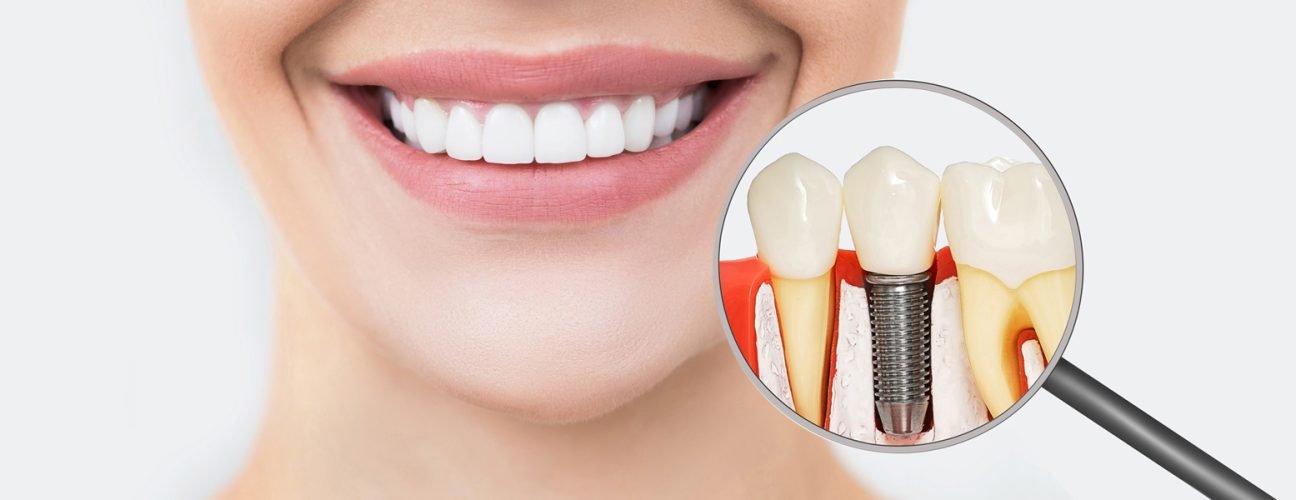
A dental implant is a titanium device or post that a dentist puts into the jawbone where a tooth is missing. Over time, the bone bonds with the implant through a process called osseointegration. Once healed, the implant supports a crown that functions like a natural tooth.
Dentists recommend implants when bone support is adequate and overall oral health allows predictable healing.
Key Considerations Influencing Dental Implant Prices in Arlington
Dental implant costs vary because treatment is individualized. Dentists assess several clinical factors before providing an estimate. These include the number of missing teeth, bone density, gum health, and whether additional procedures are required before placement.
The type of crown, surgical complexity, and follow-up care also influence cost. A comprehensive exam allows dentists to explain pricing based on medical need rather than generalized averages.
Step-by-Step Timeline of the Dental Implant Procedure
Implant treatment occurs in stages.
- A dentist takes a look at the jawbone and surrounding teeth using imaging and a clinical examination to confirm implant suitability.
- If the site is appropriate, the dentist places the implant into the jawbone during a scheduled surgical visit.
- A healing phase follows, allowing the implant to integrate with the surrounding bone over several months.
- Once integration is confirmed, the dentist attaches a connector to support the final restoration.
- The final crown is placed to restore chewing function and bite stability.
The timeline depends on the healing response and preparation needs rather than a fixed schedule.
Comparing Dental Implants With Bridges and Dentures
Dental implants differ from bridges and dentures in how they support chewing forces. Bridges rely on adjacent teeth for support, while dentures rest on the gums. Implants function independently and help maintain jawbone structure.
For patients considering missing teeth replacement, dentists explain how each option affects bone health, stability, and long-term maintenance before recommending care.
Pre-Implant Procedures: Bone Grafts and Extractions
Some patients need preparatory treatment before implant placement. Dentists may recommend tooth extraction when damaged teeth cannot be preserved. Bone grafting may be needed if bone volume is insufficient to support an implant.
These procedures create a stable foundation and improve the likelihood of long-term implant success. Preparation adds time but supports predictable outcomes.
Recovery Time and Post-Implant Care
Recovery varies by patient and procedure complexity. Mild swelling or tenderness is common during early healing. Dentists provide guidance on oral hygiene, diet, and activity to support tissue recovery.
With proper care, implants can support permanent teeth function and maintain stability over time. Long-term success depends on routine dental visits and consistent home care.
Are Same-Day Implant Options Appropriate for Every Patient?
Some patients ask about immediate restoration options known as same-day teeth. Dentists evaluate bone strength, bite forces, and overall health before determining whether immediate placement is appropriate.
This option is not suitable for all cases and requires careful clinical assessment to avoid complications.
Why Implants Are Often Chosen for Tooth Replacement
Implants are designed to restore chewing efficiency and support oral balance. Dentists may recommend them as an alternative to tooth implants that depend on removable support or neighboring teeth. The goal is to restore function while preserving surrounding structures.
Each recommendation is based on anatomy, healing capacity, and long-term oral health considerations.
When to Discuss Dental Implant Options
Patients who experience difficulty chewing, shifting teeth, or ongoing discomfort after tooth loss may benefit from implant evaluation. An Arlington dentist examines bone support, gum health, and treatment goals before recommending care.
Apple Dentistry Arlington emphasizes clear explanations so patients understand both benefits and limitations before proceeding.
FAQ’s
Dentists use local anesthesia to manage discomfort during placement. Post-procedure soreness is usually temporary.
Yes. Dentists may use multiple implants or implant-supported restorations depending on bone health.
No. Standard brushing, flossing, and regular dental visits are usually sufficient.
Dentists may recommend bone grafting before placement.
Implants typically provide greater stability, but suitability depends on individual conditions.
Longevity depends on bone health, oral hygiene, and regular professional care.
Coverage varies. Dentists review benefits and payment options during consultation.

Abour Dr. Kamalpreet Shallu
Dr. Kamalpreet Shallu is a dedicated general and implant dentist with advanced credentials, including a Fellowship in Implant Dentistry, Invisalign certification, and specialized training in guided implant surgery (Nobel), wisdom teeth extractions, fixed dentures, and All-on-X implants. Committed to delivering personalized, patient-centered care, Dr. Shallu combines clinical expertise with the latest dental technologies to help patients achieve healthy, confident smiles.