How Invisalign Helps Fix Bite Problems Beyond Crooked Teeth
July 15, 2026Many people assume orthodontic treatment is only for improving appearance. While many people choose Invisalign to improve the appearance of their smile, it can also help correct bite issues that affect how the teeth function together. If you’re considering Invisalign in Arlington, TX, it’s important to know that this treatment can help correct alignment issues that contribute to uneven tooth wear, jaw strain, and chewing difficulties.
Proper bite alignment supports healthy function, protects teeth from excessive stress, and helps create a more balanced smile.
What Is Invisalign and How Does It Work?
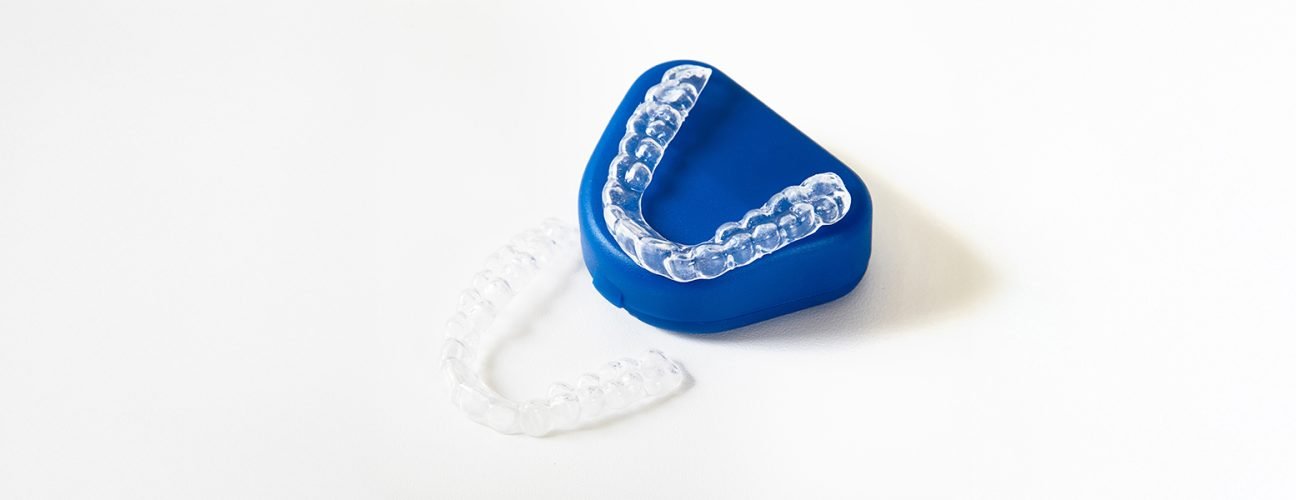
Invisalign treatment relies on a series of personalized aligners that gently guide teeth into proper alignment over time. The process starts with a thorough consultation and digital scan to evaluate your bite and determine how your teeth need to move.
The process typically includes:
- Comprehensive examination
- Digital smile and bite assessment
- Personalized treatment planning
- Custom aligner fabrication
Each aligner is worn for most of the day and replaced according to the treatment schedule.
Understanding Common Bite Problems
Malocclusion refers to a misaligned bite, where the teeth and jaws do not come together in a balanced way.
Common types include:
- Overbite
- Underbite
- Crossbite
- Open bite
These issues may lead to:
- Jaw discomfort
- Uneven tooth wear
- Difficulty chewing
- Speech challenges
- Increased risk of tooth damage
Many patients don’t realize they have a bite problem until a dentist notices it during a routine exam.
How Invisalign Helps Correct Bite Alignment
Today’s aligner technology is designed not only to straighten teeth but also to improve the fit of the upper and lower arches.
Overbite and Underbite Correction
Strategic tooth movement helps improve the relationship between upper and lower arches, reducing excess pressure on certain teeth.
Crossbite Improvement
Correcting a crossbite helps distribute biting forces more evenly and may reduce abnormal enamel wear.
Open Bite Treatment
When front teeth do not meet properly, chewing and speaking can become challenging. Customized aligners can help improve contact between teeth.
Addressing crowding or gaps can enhance smile aesthetics while also improving overall bite performance.
Benefits of Clear Aligners Beyond Straight Teeth
The advantages extend beyond cosmetic improvements.
Benefits may include:
- Better chewing efficiency
- Improved oral hygiene access
- Reduced strain on jaw joints
- More balanced bite forces
- Lower risk of excessive enamel wear
Properly aligned teeth are generally easier to brush and floss, which can make maintaining gum health simpler.
Signs You May Have a Bite Issue
You may benefit from an evaluation if you experience:
- Frequent jaw soreness
- Noticeable jaw sounds during movement, such as clicking or popping
- Chipped or worn teeth
- Difficulty biting into food
- Regular cheek biting
- Headaches related to jaw tension
A professional assessment can determine whether alignment contributes to these symptoms.
What to Expect During Treatment
Every case is unique, but most patients can expect:
- Initial consultation and imaging
- Customized treatment planning
- Regular aligner wear
- Progress evaluations
- Retainer use after completion
Consistent wear is essential for achieving the planned results.
Advantages of Invisible Braces Over Traditional Braces
Many patients prefer invisible braces because they offer greater convenience and flexibility.
Advantages include:
- Removable for meals
- Easier brushing and flossing
- No metal brackets or wires
- Fewer food restrictions
- Discreet appearance
These features make orthodontic treatment more comfortable for many adults and teens.
Tips to Maintain Results After Treatment
To protect your new smile:
- Wear retainers as directed
- Maintain daily oral hygiene
- Attend routine dental visits
- Avoid using teeth to open packages
- Address teeth grinding if present
Long-term success depends on preserving the alignment achieved during treatment.
Final Thoughts
Bite correction is about more than appearance. Proper alignment can improve comfort, chewing function, and long-term dental health. Whether you’re exploring clear teeth braces, considering clear aligners, or researching teeth-straightening options, understanding the functional benefits of treatment is essential.
If you notice signs of bite imbalance, consulting an experienced Arlington dentist can help identify the cause and determine the most appropriate treatment. At Apple Dentistry Arlington, patients receive personalized evaluations designed to support healthier smiles and better oral function.
FAQs
Yes. Many overbites, underbites, crossbites, and open bites can be improved with customized treatment.
Jaw pain, uneven tooth wear, difficulty chewing, and frequent headaches can be signs of bite misalignment.
Yes. Many adults choose Invisalign because of its discreet appearance and convenience.
Treatment length varies, typically ranging from several months to two years.
Most patients experience mild pressure when changing aligners, which usually fades within a few days.
Correcting alignment often helps teeth function together more effectively during chewing.
Most patients should wear aligners for 20–22 hours daily.
Yes. Noticeable jaw sounds during movement, such as clicking or popping
Yes. They should be removed during meals and while drinking anything other than water.
Many patients find oral hygiene easier because aligners are removable for brushing and flossing.

Abour Dr. Kamalpreet Shallu
Dr. Kamalpreet Shallu is a dedicated general and implant dentist with advanced credentials, including a Fellowship in Implant Dentistry, Invisalign certification, and specialized training in guided implant surgery (Nobel), wisdom teeth extractions, fixed dentures, and All-on-X implants. Committed to delivering personalized, patient-centered care, Dr. Shallu combines clinical expertise with the latest dental technologies to help patients achieve healthy, confident smiles.