Pain Free Root Canals
Bleeding Gums: A Warning You Shouldn’t Ignore
December 1, 2025A little blood when you brush or floss might seem harmless—but it’s not something to ignore. Bleeding gums can signal more than just brushing too hard; they’re often one of the earliest clues that your gums need attention. The good news? When caught early, it’s easy to reverse the damage and prevent bigger dental problems down the line.
If you’ve noticed a pink tinge in the sink or swollen gums, understanding the causes of bleeding gums in adults is the first step toward restoring your oral health.
Early Warning Signs of Bleeding Gums You Shouldn’t Ignore
Gum problems rarely start suddenly. They creep in quietly, often with symptoms that seem minor at first. Here’s what to watch for:
- Bleeding during brushing or flossing: Even a little blood is a red flag.
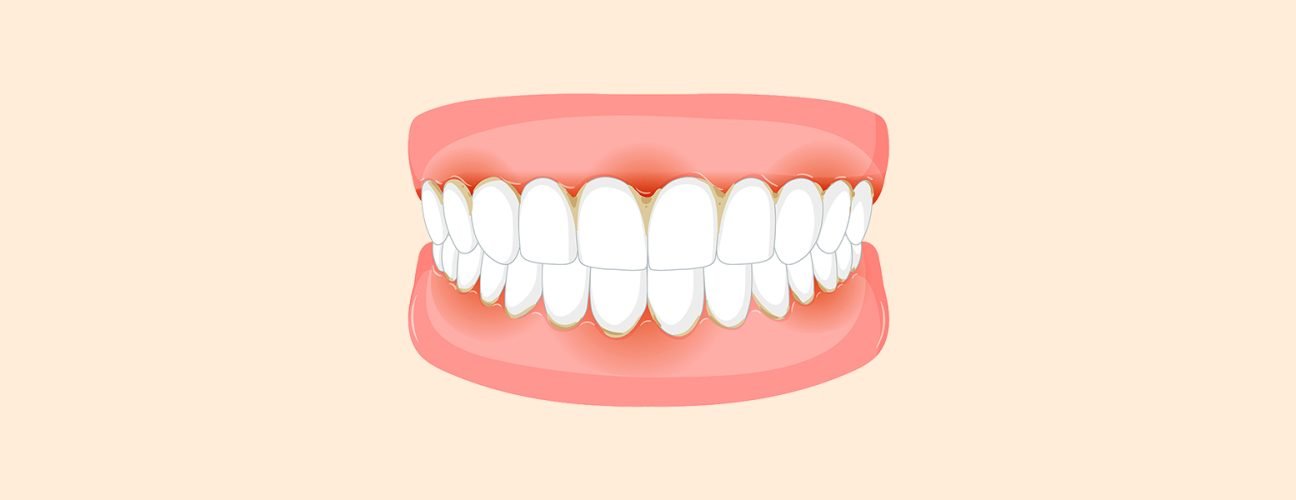
- Swollen or puffy gums: Inflammation is often the first stage of gum disease.
- Persistent bad breath: Caused by bacterial buildup along the gumline.
- Receding gums: Your teeth may begin to appear longer as gums pull back.
- Tenderness or pain: Sensitivity near the gumline may indicate infection.
👉 Pro tip: Don’t wait until you feel pain. Gum disease often starts without discomfort, making regular dental checkups crucial.
If you’re in Texas and notice these symptoms, visiting a local dentist or a dentist in Arlington, TX can help identify the cause early and prevent complications.
Common Lifestyle Habits That May Lead to Bleeding Gums
Our daily routines play a big role in gum health. Even habits that seem harmless can lead to irritation or inflammation over time.
1. Poor Oral Hygiene
Skipping brushing or flossing allows plaque to harden into tartar, which irritates gums and triggers bleeding.
2. Smoking or Tobacco Use
Nicotine limits blood flow to gum tissue, making it harder for your body to fight infection. Smokers are twice as probability to develop gum disease.
3. Poor Diet Choices
Diets high in sugar or processed foods feed harmful bacteria. Lack of vitamin C can weaken gum tissue and slow healing.
4. Stress
Yes—stress affects your mouth, too! It can weaken your immune system, making it easier for bacteria to thrive.
5. Hormonal Changes
Pregnancy, menopause, or hormonal therapy can increase gum sensitivity and bleeding.
Small changes can make a big difference:
- Brush twice daily using a soft-bristle toothbrush.
- Floss once a day—don’t skip it!
- Limit sugary snacks and acidic drinks.
- Drink an ample amount of water to maintain a clean and moist mouth.
Taking control of your daily habits can greatly reduce your risk of gum issues.
The Role of Oral Hygiene in Preventing Bleeding Gums
Consistent oral hygiene is your best defense against bleeding gums. It’s not about brushing harder—it’s about brushing smarter.
Here’s a simple routine that works:
- Brush gently for two minutes with a fluoride toothpaste.
- Floss daily to get rid of food crumbs and plaque between teeth.
- Clean with an antibacterial mouthwash to reduce bacteria buildup.
- Get your toothbrush replaced every 3–4 months (or sooner if bristles fray).
Regular dental cleanings are also essential. Plaque and tartar can only be fully eliminated with professional tools. Skipping cleanings lets bacteria hide in areas your toothbrush can’t reach.
If you already have bleeding or swollen gums, professional cleanings and early intervention can make all the difference. Scheduling an appointment for gum disease treatment in Arlington, TX, can help stop progression before it turns into something serious, like periodontitis.
When to See a Dentist About Bleeding Gums
So, when should you worry? If your gums bleed more than once or twice a week—or every time you brush—it’s time to act.
You should book a dental visit if you notice:
- Bleeding that continues despite good oral hygiene
- Gums that look red or swollen
- Persistent bad or foul taste or odor in your mouth
- Loose teeth or receding gums
Your dentist will check for plaque buildup, gum depth, and signs of infection. Early treatment might involve a deep cleaning, also known as scaling and root planing, which gets rid of plaque below the gumline and smooths root surfaces.
In more serious cases, your dentist may advise you of specialized periodontal care. But most importantly, you’ll receive guidance on improving at-home habits so you can protect your gums long-term.
Final Takeaway
Bleeding gums aren’t something to brush off—they’re your mouth’s way of saying, “Something’s not right.” The sooner you act, the easier it is to fix.
At Apple Dentistry Arlington, we understand that gum health affects your entire well-being. Our friendly dental team offers gentle cleanings, advanced diagnostics, and personalized gum disease treatment, tailored to your needs.

Abour Dr. Kamalpreet Shallu
Dr. Kamalpreet Shallu is a dedicated general and implant dentist with advanced credentials, including a Fellowship in Implant Dentistry, Invisalign certification, and specialized training in guided implant surgery (Nobel), wisdom teeth extractions, fixed dentures, and All-on-X implants. Committed to delivering personalized, patient-centered care, Dr. Shallu combines clinical expertise with the latest dental technologies to help patients achieve healthy, confident smiles.